People, Power, and Pay
The Economics of the Workplace
2026-08-31
Think about the workplace
- What have you previously learned about the economics of the workplace and work?
- What are you curious about understanding?
- What aspects of your future workplace concern or excite you?
Think back in time
- What tools from economics can we apply to the workplace?
- What tools from other disciplines might also apply?
We need a theory of organization
01
Our route through Week 1
- Revisit the neoclassical theory of the firm.
- Identify the “black box” of production and the market.
- Compare methods of social and economic organization.
- Add transaction costs and incomplete contracts.
- Examine institutions as “rules of the game.”
What do firms do?
Try to remember what firms did in introductory microeconomics or macroeconomics.
What variables mattered? What did firms care about—and why?
The familiar answer: firms maximize profit
- Firms combine worker effort, materials, and machines to produce output.
- They choose quantities and prices to maximize profit.
- Introductory analysis often reduces this choice to MR = MC or a constrained optimization problem.
Why call the firm a “black box”?
- A production function tells us that inputs somehow become output.
- It leaves hierarchy, interaction, authority, and employee–manager relationships offstage.
x = f(k, l)
The black box assumes organization away
- It often assumes complete contracts.
- In a world of complete contracts and perfect competition, internal organization need not affect the outcome.
- In the world we inhabit, structure shapes performance, profit, motivation, incentives, and decentralization.
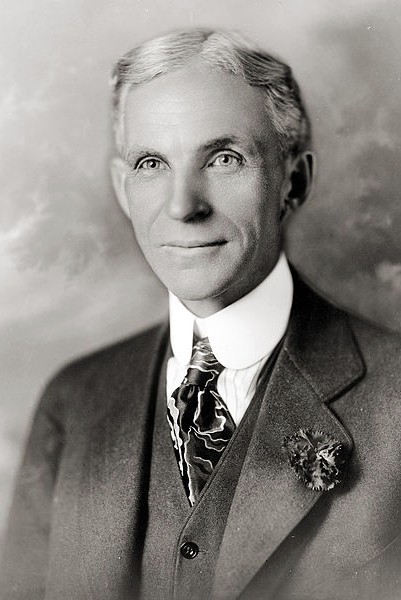
Henry Ford and the $5 day
- On January 5, 1914, Ford introduced the $5 day.
- Pay rose and the workday fell to eight hours.
- Employment grew, quits collapsed, and dismissals fell.
The policy changed the employment relationship as well as the wage.
Working time fell as industrial organization changed
Feenstra et al., Penn World Table 11.0 (2025); Huberman and Minns (2005); processed by Our World in Data.
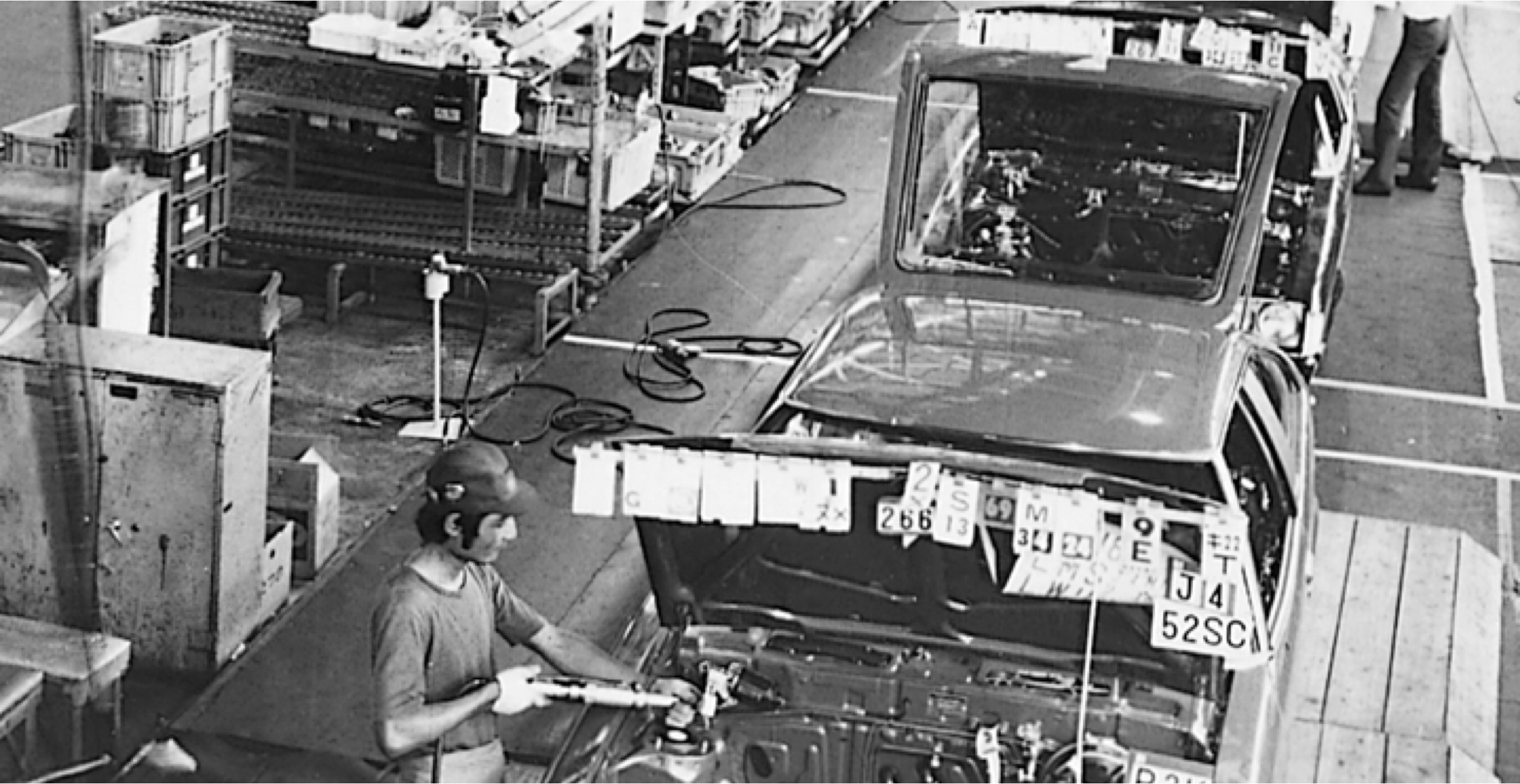
Toyota rebuilt production through organization
- Postwar Japan needed to replace industrial capacity.
- Toyota wanted to produce American-style goods without simply copying Ford’s supply system.
- The solution required organizational innovation.
Toyota’s problem and solution
- Toyota’s owners toured the United States.
- They could not match Ford’s scale and supply mechanisms.
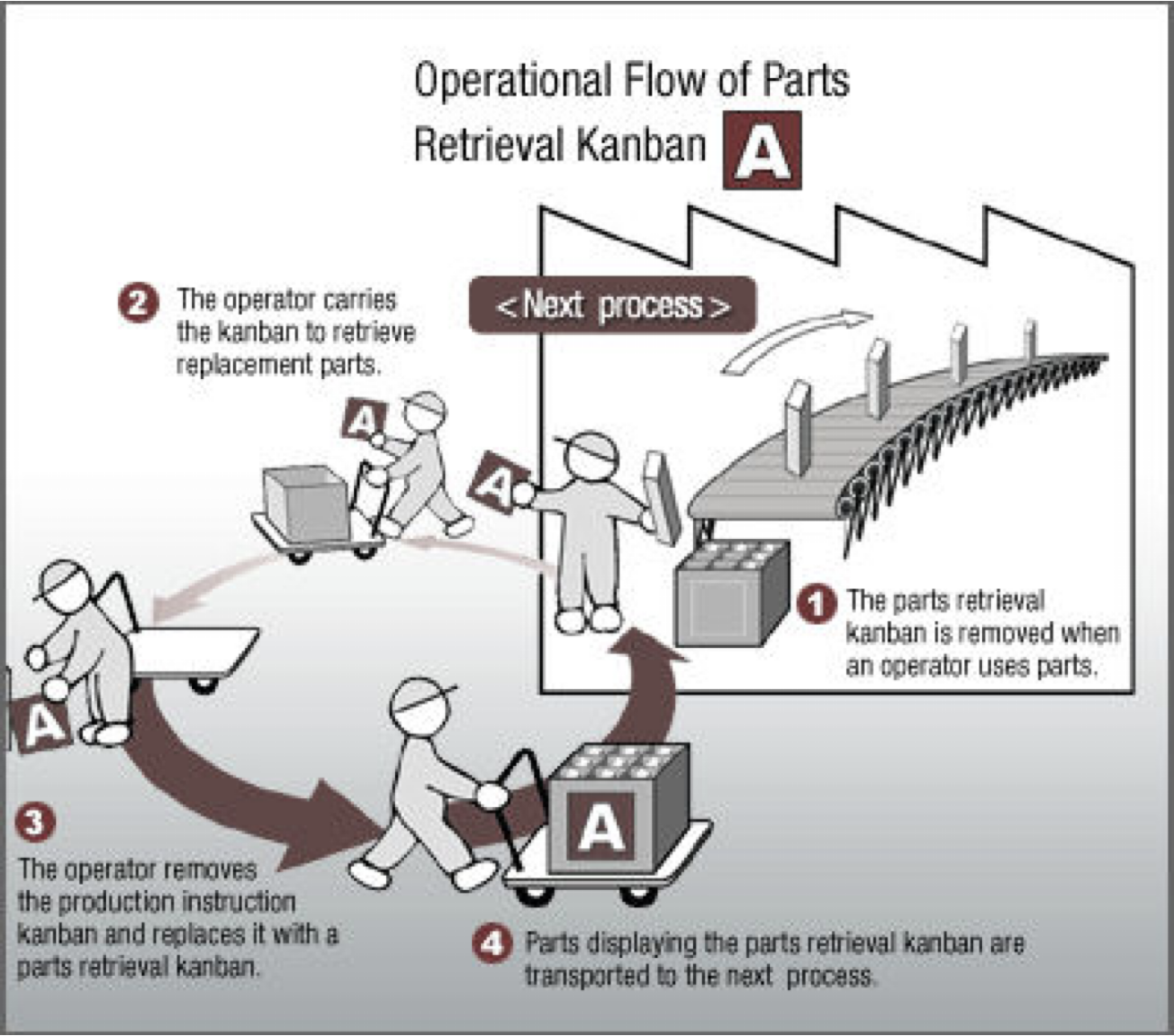
- They adopted kanban and just-in-time production.
Productivity depends on more than hours worked
Feenstra et al., Penn World Table 11.0 (2025); processed by Our World in Data.
Communism and capitalism?
02
Different systems organize production differently
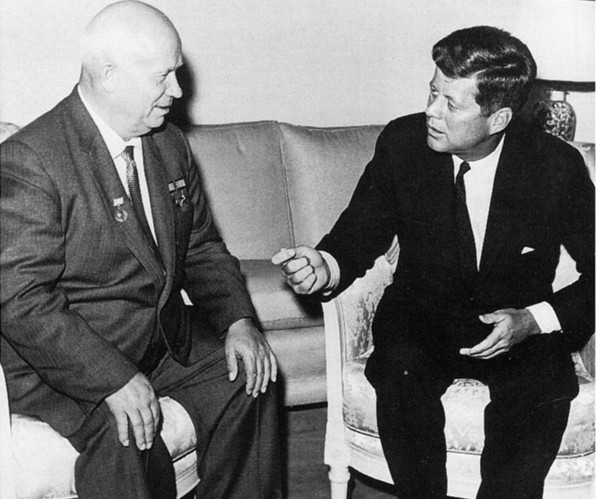
![Nikita Khrushchev and John F. Kennedy in conversation]()
Who are these two people—and what systems did they represent?
Communism
- Communism requires communal ownership of the means of production.
- Historically, “communal” often meant state ownership.
- Government plans coordinate production, though market-socialist variants also exist.
Capitalism
- Capitalism rests on private property and institutions that defend it.
- Private owners control the means of production.
- Markets coordinate trade, with many varieties of capitalism in practice.
Mathematically equivalent does not mean organizationally equivalent
- A central planner could, in theory, mimic the Walrasian auctioneer and clear markets.
- This makes communism and capitalism mathematically comparable in a stylized model.
- Their organizations create different information problems and incentives for workers, firms, and politicians.
Two coordination and motivation problems
- Macro: central planning requires planners to collect and process immense amounts of information.
- Micro: ratcheting, residual claimancy, and principal–agent problems can weaken work incentives.
- Hayek’s challenge remains: how can any organization use tacit, dispersed knowledge?
The ratchet effect
- A ratchet moves one notch at a time.
- In the USSR, exceeding a factory target could produce a higher target next period.
- Workers and managers gained an incentive to avoid revealing how much they could produce.
Organizations must coordinate and motivate
- Organizations coordinate decentralized people and tasks.
- Their structures also motivate—or demotivate—workers.
- We study which structures improve or worsen both functions.
Incentives and decentralization can complement each other
![]()
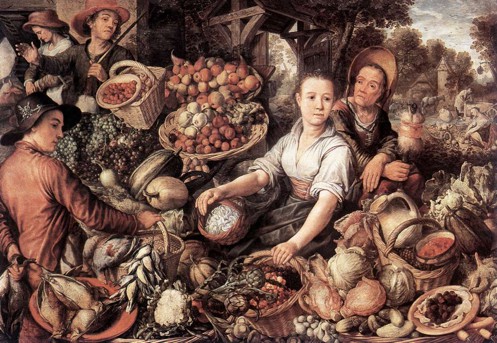
Joachim Beuckelaer painting
Milgrom and Roberts argue that incentives increase the benefits of decentralization—and decentralization can increase the value of incentives.
What needs coordination? What needs motivation? Who should decide?
Why do firms replace prices with authority?
Outside the firm, price movements direct production. Within a firm, market transactions give way to the entrepreneur-coordinator.
Ronald Coase, The Nature of the Firm (1937)
Transactions have costs
- A transaction transfers goods or services between people or firms.
- Transaction costs arise when people search, measure, bargain, monitor, enforce, and adapt.
- Transactions stay in markets when market governance works well.
- They move inside firms when authority and routines cost less.
Costs arise before and after exchange
| Ex ante |
Search, measurement, bargaining, negotiation |
| Ex post |
Monitoring, policing, enforcement, punishment |
These costs arise both between organizations and inside them.
The same transaction costs appear in different settings
| Search |
Neighbors |
Suppliers |
Worker / employer |
| Measurement |
Pollution or damages |
Quality or design |
Competence, output, effort |
| Monitoring |
Emissions |
Quality control |
Supervision, management |
| Negotiation |
Compensation |
Price |
Wages, hours, benefits |
| Enforcement |
Litigation |
Litigation |
Tribunal, termination |
Coordination costs and motivation costs
- Coordination costs include finding parties, determining prices, and bringing buyers and sellers together.
- Motivation costs arise from contractual incompleteness and imperfect commitment.
- Parties may lack verifiable information or struggle to bind themselves to future promises and threats.
Transaction characteristics determine governance
- Specificity of investment
- Frequency and duration
- Complexity and uncertainty
- Difficulty of measuring performance
- Connectedness to other transactions
How does each characteristic raise the cost of using a market—or the cost of using a firm?
Institutions are the rules of the game
- Property rights and legal systems
- Social norms
- Democracy and authoritarianism
- Markets and central planning
Institutions shape both firm performance and economy-wide outcomes.
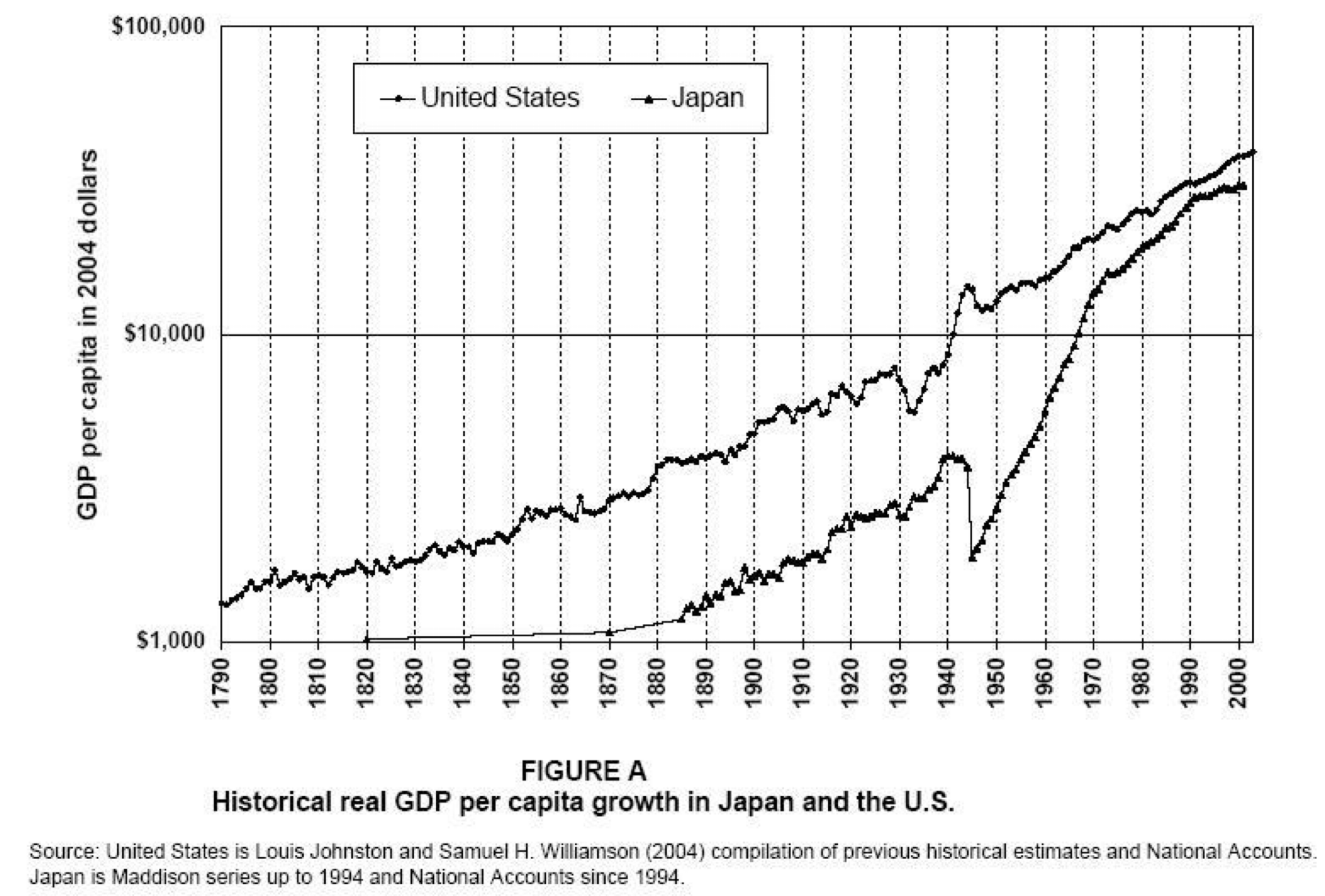
Organizational gains compound into large changes
Eurostat, OECD, IMF, World Bank (2026); Maddison Project Database 2023; Maddison Database 2010; processed by Our World in Data.
What we carry forward
- Open the black box. Production functions hide hierarchy, power, and interaction.
- Organization changes outcomes. Ford, Toyota, and economic systems show that structure shapes motivation and coordination.
- Add the missing tools. Transaction costs and institutions explain why markets, firms, and rules work differently.